
Educators working in child care and child and family programs play a vital role in nurturing a child’s sense of identity, belonging, and pride in their heritage. By embedding cultures, languages, traditions, values, and customs into early learning, you’re not just educating children — you’re helping them build a strong foundation rooted in who they are and where they come from.
You will find a variety of helpful resources and links to assist in early years programming:
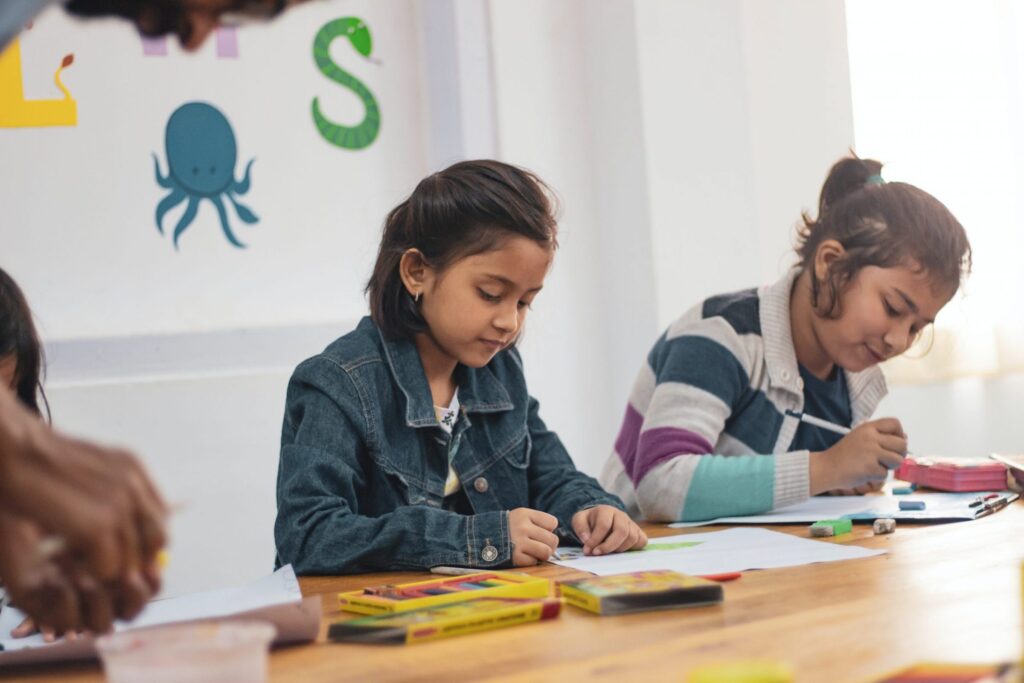
Resources are designed for educators who wish to deepen their understanding of Anishinaabe culture and bring meaningful cultural learning into their early years settings. It offers practical guidance, reflective insights, and culturally grounded approaches that support respectful and authentic teaching practice.
In Anishinaabe teachings, the Creator has gifted each of us with unique abilities to share and nurture one another. The moon is honoured as our Grandmother — a guiding presence who offers wisdom through each of her phases.
Included in this resource are:
These materials are ready to be used in your settings to support culturally grounded learning experiences with children. Whether exploring the teachings of a specific moon or integrating Indigenous perspectives into everyday learning, this resource offers a pathway to connect with the wisdom of Grandmother Moon.
In the early years, land-based learning is centered on Indigenous worldviews, where the land itself is viewed as a teacher and a relative. In this resource we are considering Mother Earth to be that teacher and relative.
Mother Earth provides everything we need to live and thrive. It is our responsibility to care for her, so she may continue to sustain us and all our relations — a term that includes people, animals, plants, and all living beings. Her gifts are abundant, and through them, we can share knowledge with the children, families, and communities we serve.
This resource is organized by the four seasons: Spring, Summer, Fall, and Winter. Each section offers a variety of activities, videos, games, crafts, language resources, and storybooks or legends that reflect the unique teachings and gifts Mother Earth provides during that time of year.
Whether you’re exploring the renewal of Spring, the abundance of Summer, the harvest of Fall, or the quiet reflection of Winter, these materials are designed to support meaningful, land-connected learning experiences for young children.
National Ribbon Skirt Day, celebrated annually on January 4, is a Canadian observance that honours the cultural significance of ribbon skirts traditionally worn by Indigenous women. This day provides an opportunity for Indigenous people to celebrate their identity by wearing Ribbon Skirts. The day was officially recognized in 2023 following the experience of Isabella Kulak, a young girl from Cote First Nation in Saskatchewan who was shamed for wearing a ribbon skirt to a school event. Her story sparked national support and led to the creation of this day through a bill introduced by Senator Mary Jane McCallum, and the bill passed in 2022.
A traditional ribbon skirt is a hand-made, ceremonial garment worn by many Indigenous women across North America, named for the rows of vibrant, symbolic ribbons sewn along the bottom of the skirt. Originating with Plains Indigenous communities and adapted by First Nations and Métis peoples, these skirts are rich with cultural significance, with ribbons and appliqué designs that can tell a story, represent family lineage, or express pride and resilience. Worn at significant events like powwows and ceremonies, ribbon skirts are considered living symbols of Indigenous identity, history, and strength, even used as everyday wear.
This resource helps you expand your knowledge of ribbon skirts through videos, images, and storytelling.
Orange Shirt Day, observed annually on September 30, is a powerful day of remembrance and education in Canada. It originated from the story of Phyllis Webstad, a residential school survivor from the Stswecem’c Xgat’tem First Nation. In 1973, Phyllis was excited to wear a bright orange shirt her grandmother had bought for her first day at St. Joseph’s Mission Residential School. Upon arrival, her shirt was taken away, and she never saw it again. This experience became a symbol of the loss of identity, culture, and dignity suffered by Indigenous children in residential schools.
One of the IPLO initiatives is providing a children’s book by Indigenous authors and illustrators to First Nation child care and child and family programs across Ontario prior to September 30. It’s a meaningful way to promote Indigenous voices, stories, and cultural understanding among children and their caregivers.
This resource provides Orange Shirt Day activities and resources for program planning in early years settings.
Anishinaabemowin is vital for connecting Anishinaabe people to their ancestors, culture, spirituality, and identity, as well as providing a unique worldview rooted in nature and community. Once an unwritten language, it is now being revitalized through education and resources to combat extinction caused by colonization. The language is essential for ceremonies, storytelling, and daily life, carrying teachings and cultural protocols that define the Anishinaabe people and their place in the world.
Language can be woven into daily routines—such as labeling items, snack and lunch times, preparing to go outside, and reading stories. These everyday moments offer meaningful opportunities to engage with and revitalize the language.
To keep our languages alive, they must be used consistently. Even small efforts—speaking a few words each day with children and families—can make a lasting impact.
This resource is designed for educators who are learning the many Indigenous languages spoken in child care and child and family centres across Turtle Island. One commonly spoken language is Anishinaabemowin, also known as the Ojibwe language.
The following are a collection of resources to keep our language alive.
Edwin C. Taylor a Cultural Enrichment Instructor at BK Children’s Centre assist early years educators with speaking Ojibwe. He is from Walpole Island originally from Curve Lake First Nation and is member of the Anishinaabemowin Language Advisory Group.